Today is also Safer Internet Day, reminding us that a child’s sense of self and belonging is shaped not only by what happens at home and school but also by their digital world too.
At School-Home Support (SHS), we see every day how children’s mental health is influenced by what’s happening around them in their families, in school, and online. Our practitioners are there to support them when they need it most.
Absence, instability and unmet needs undermine a child’s sense of belonging
A strong sense of belonging helps children feel safe, confident and able to learn. But when children experience instability, unmet needs or prolonged school absence, that safety quickly erodes.
The root causes of school absence are often complex and multilayered. In recent years, our practitioners have seen an increase in emotionally based school avoidance (EBSA) but other factors such as poverty, housing insecurity, anxiety or family breakdowns have an important impact on children’s mental health.
These challenges don’t stop at the school gate and turn into school absences which are often a signal that something deeper is going on. When these pressures go unaddressed, children may begin to feel disconnected from school, unsure where they fit, and reluctant to engage in their learning.
Children’s mental health depends on the adults around them
Children are highly sensitive to the emotional wellbeing of the adults in their lives. When parents and carers are under pressure worrying about finances, housing or stability, children often absorb that stress, even when adults try to protect them from it.
In 2023 our data showed that 73% of the children we supported were worried about the place where they live. They had picked up on parents and carers’ concerns about the ongoing housing crisis. Many families are living with uncertainty about where they live, sometimes they are placed in temporary accommodation far away from the school making the journey to school extra challenging. Parents may be anxious, routines may be disrupted, and children can be left feeling unsettled and unsafe.
This is why supporting parents and carers is inseparable from supporting children. When adults feel overwhelmed or unsupported, children’s mental health is affected too.
The effects of social media on children’s mental health
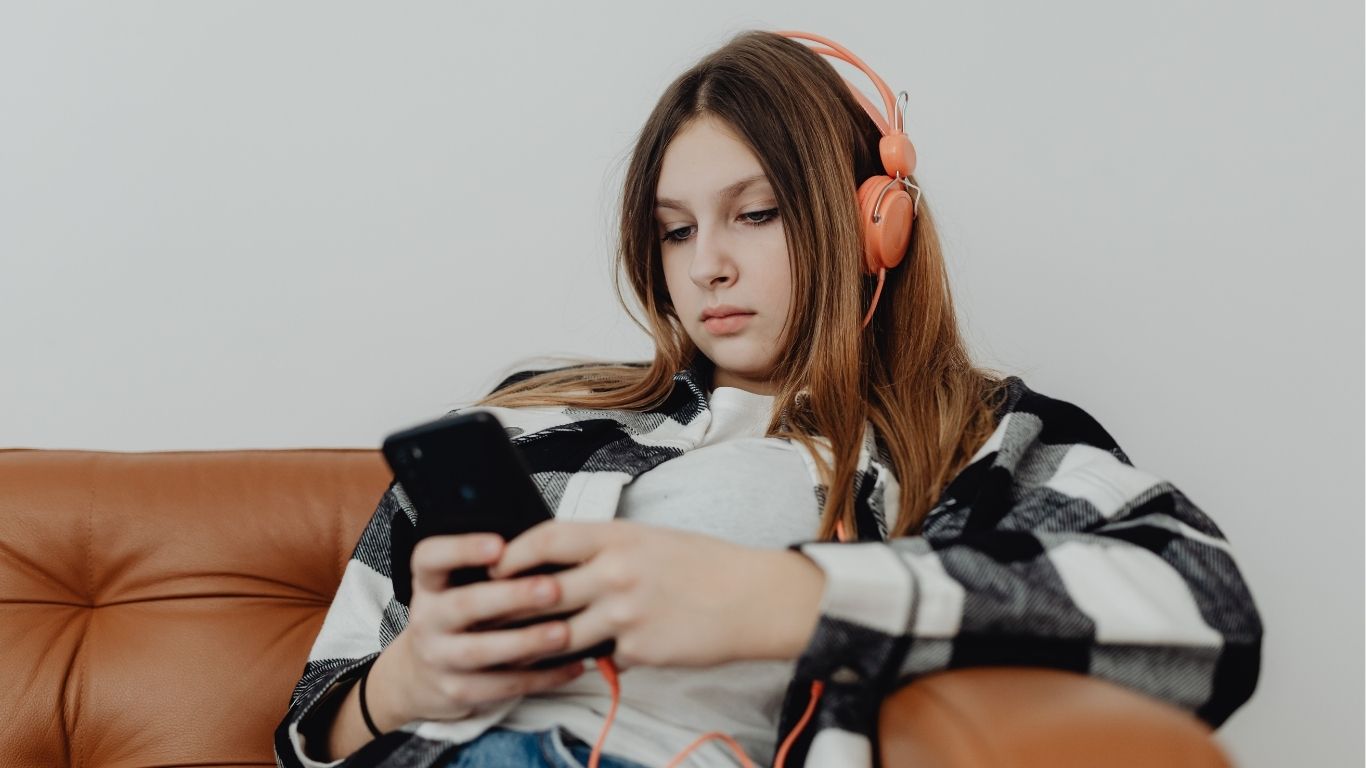
A child’s sense of place today extends beyond physical spaces. Social media and online interactions play a growing role in shaping identity, relationships and self-esteem particularly for older children and teenagers.
There is increasing evidence of a link between social media use and poor mental health. Young people may experience pressure to compare themselves to others, anxiety around likes, comments and online image, fear of missing out (FOMO), exposure to harmful or distressing content and difficulties switching off or sleeping.
Today (10th February) it’s Safer Internet Day and it’s a timely opportunity to talk about how the online world affects children’s emotional wellbeing and sense of belonging.
Our practitioners are well placed to help children and parents navigate these spaces safely and confidently. They usually start with simple, non-judgemental conversations: “What do you enjoy online?” or “How does it make you feel?” can open the door to wider discussions about friendships, boundaries and self-care.
Feedback from our recent User Voice Feedback highlighted internet safety as a key concern for both young people and parents. In response, SHS’s safeguarding team will be launching an online safety toolkit soon, with practical resources to support children and families and schools.
Supporting families without judgement: a whole-family approach
Children don’t experience challenges in isolation. What happens beyond the school gate matters and progress at school is harder when pressures at home are left unsupported.
SHS works alongside schools to provide whole-family support, helping to reduce the emotional load on both families and school staff. Our practitioners focus on creating safe spaces where children, parents and carers are heard and act as an essential bridge between home and school building and maintaining relationships.
Feeling heard is a vital part of belonging. Creating safe, consistent spaces where children and young people can talk openly about how they’re feeling and what’s affecting them is also essential to understand what’s going on in their lives whether that’s anxiety about school, worries at home, or pressures online.
Working with parents and encouraging families to explore privacy settings, screen time, boundaries and building trust amongst family members is essential to reinforce that children can always seek help if something online makes them feel uncomfortable.
This relationship-based approach makes a measurable difference. Our impact data shows that 88% of children and young people we worked with improved their wellbeing, self-esteem, confidence, feelings and behaviour after SHS support, highlighting the importance of early intervention, bespoke support and building trusting relationships.
SHS also supports schools through training and guidance, helping staff feel more confident in responding to mental health concerns, engaging families, and supporting children facing complex challenges.
Belonging doesn’t happen by accident
This Children’s Mental Health Week, SHS continues to work with schools and families to strengthen the relationship between home and school and to support children, so every child knows they have a place where they feel safe, valued and supported.
This year’s theme “This is My Place” reminds us that belonging doesn’t happen by accident. It is built through understanding, relationships and coordinated support at home and at school.